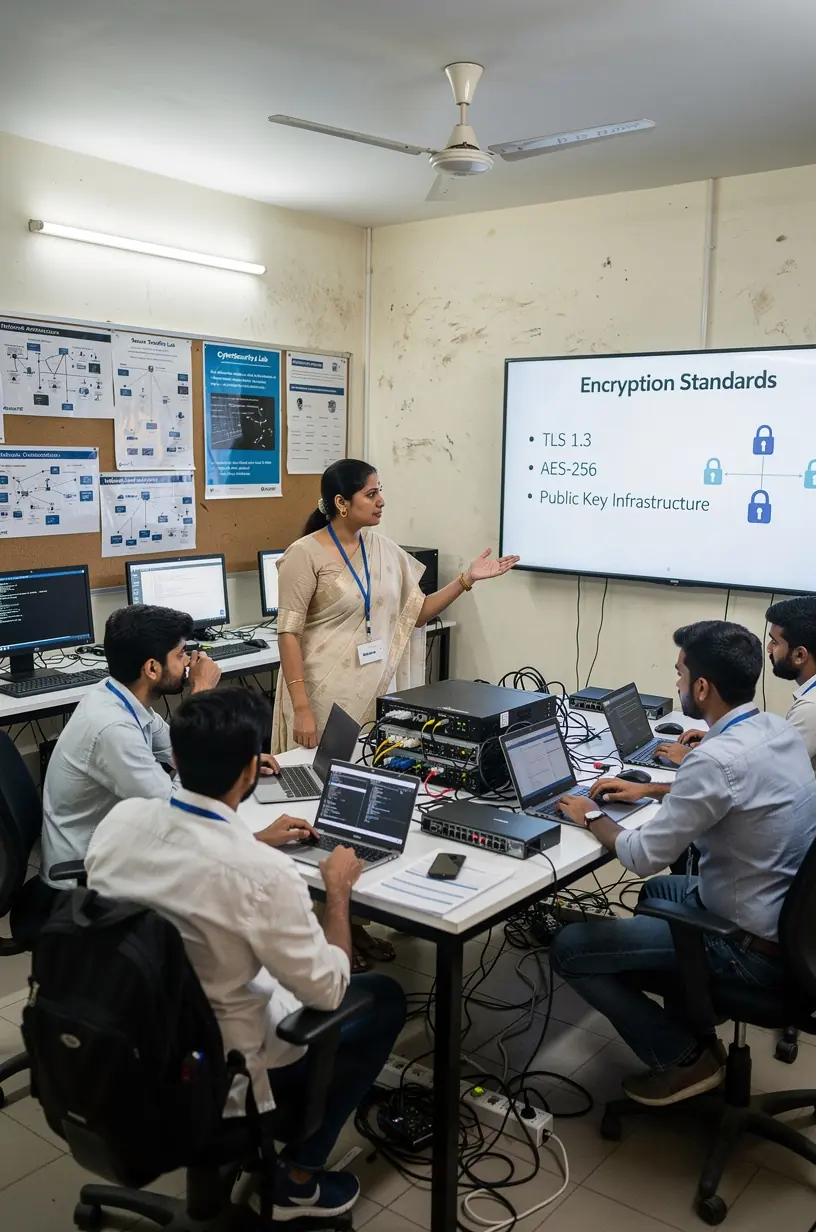
Best Practices for Securing Network Traffic with IPsec
In today's digital landscape, securing network traffic is more critical than ever. Many organizations are turning to IPsec as a reliable solution for protecting sensitive data. This article explores best practices for implementing IPsec effectively, based on industry standards and expert recommendations.
Understanding IPsec
IPsec, or Internet Protocol Security, is a suite of protocols that provide encryption and authentication for data transmitted over IP networks. According to the Internet Engineering Task Force (IETF), IPsec is designed to secure Internet Protocol communications by authenticating and encrypting each IP packet in a communication session.

"IPsec is a proven approach that can help organizations protect their data during transmission." - Network Security Expert
Key Components of IPsec
IPsec operates in two modes: Transport mode, which encrypts only the payload of the IP packet, and Tunnel mode, which encrypts the entire IP packet. Understanding these modes is crucial for effective implementation:
- Transport Mode: Best for end-to-end communication between two hosts.
- Tunnel Mode: Suitable for securing communication between networks, often used in Virtual Private Networks (VPNs).
Best Practices for Implementing IPsec
When deploying IPsec, consider the following best practices to ensure effective security:
- Conduct a Risk Assessment: Assess your organization's specific risks and compliance requirements. According to industry standards, this may involve identifying critical assets and potential vulnerabilities.
- Choose Strong Encryption Algorithms: Experts recommend using strong and up-to-date encryption protocols, such as AES (Advanced Encryption Standard), to secure your network traffic effectively.
- Implement Authentication Methods: Utilize robust authentication methods, such as digital certificates or Pre-Shared Keys (PSK), to verify the identity of devices communicating over your network.
- Regularly Update Configurations: IPsec configurations should be reviewed and updated regularly to address emerging threats and vulnerabilities, ensuring ongoing protection.
- Monitor and Audit Traffic: Implement monitoring tools to analyze network traffic and identify anomalies. This proactive approach can help detect potential security breaches early.
Acknowledging Limitations
While IPsec offers significant security benefits, it is essential to acknowledge its limitations. Implementation can be complex, often requiring a dedicated team and ongoing maintenance. Additionally, IPsec is best suited for environments where secure communication is paramount and may not be ideal for all scenarios, particularly those with lower security requirements.
Conclusion
Securing network traffic with IPsec is a reliable strategy that can significantly enhance data protection. By following industry best practices, organizations can mitigate risks and ensure that their sensitive information remains secure. However, it is crucial to approach IPsec implementation with realistic expectations regarding the time, effort, and expertise required for success.